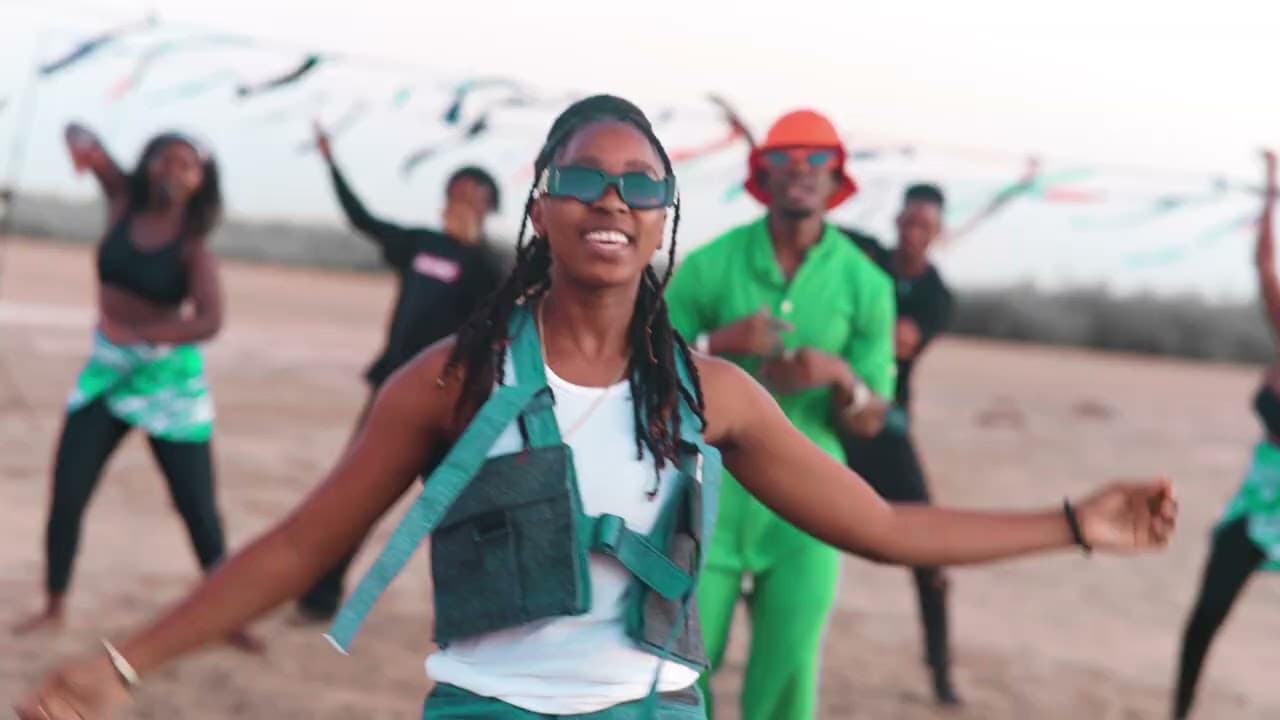
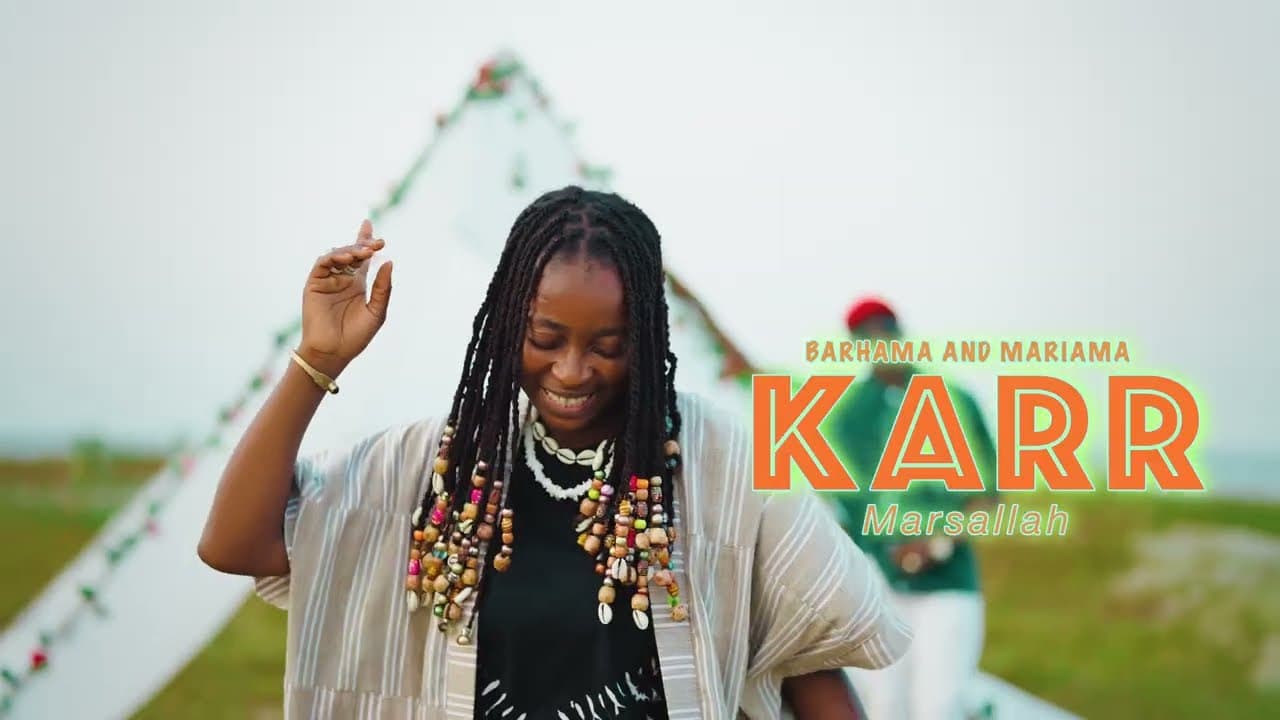
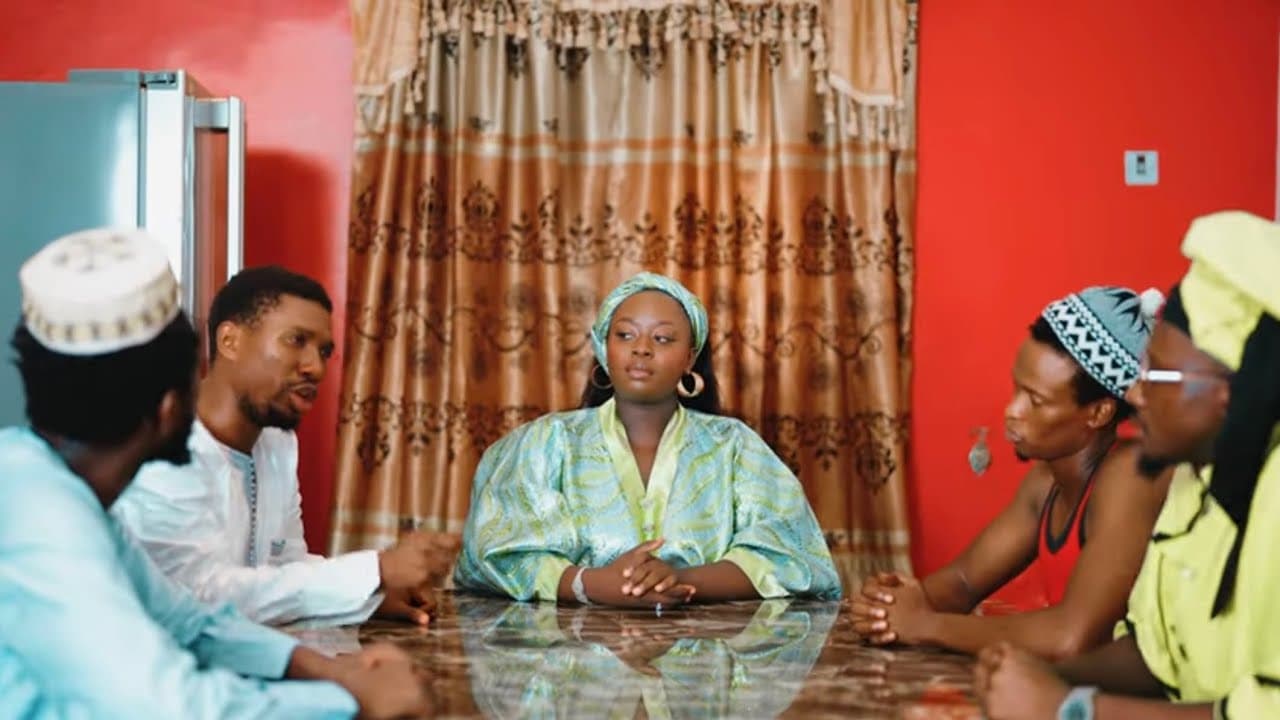
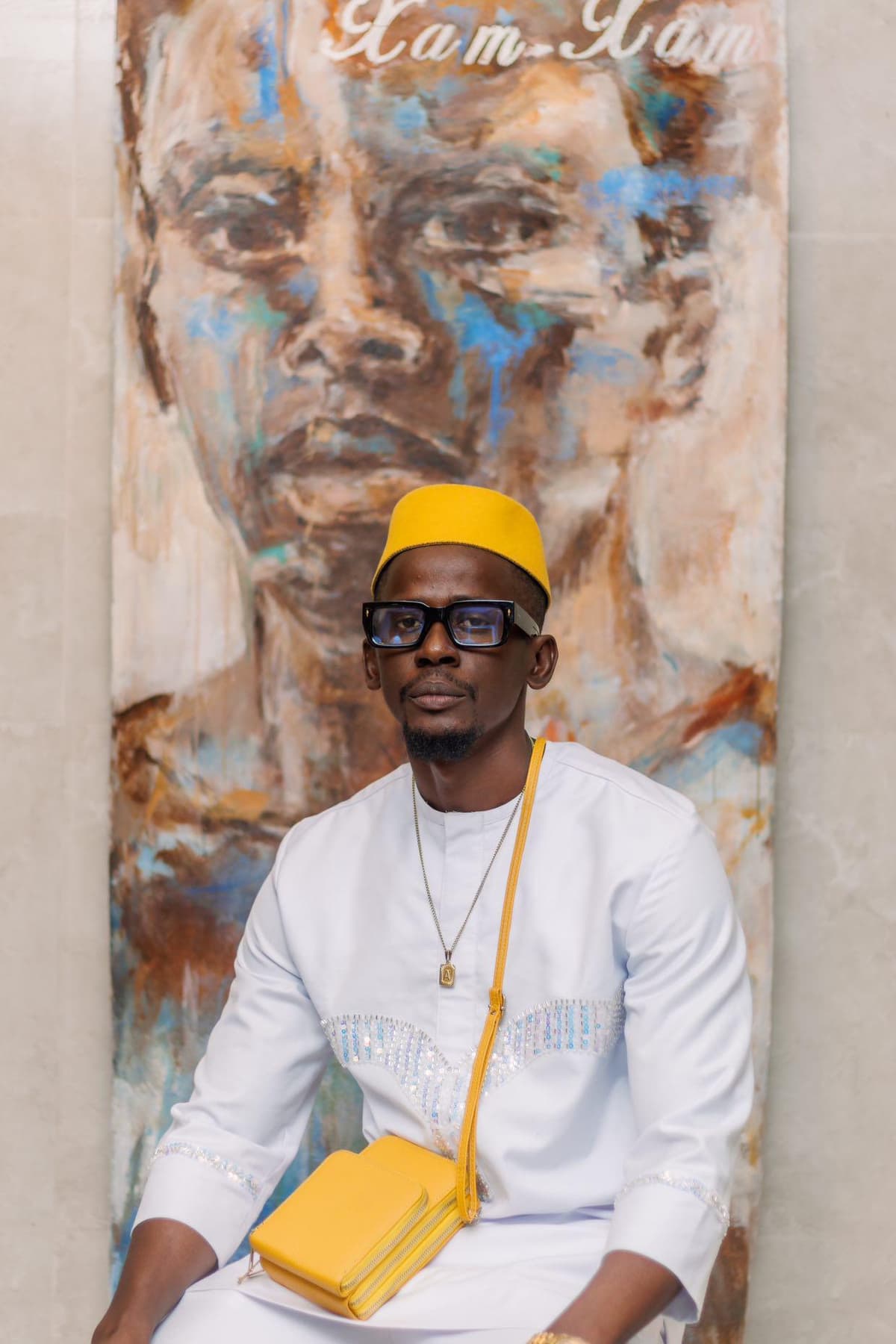
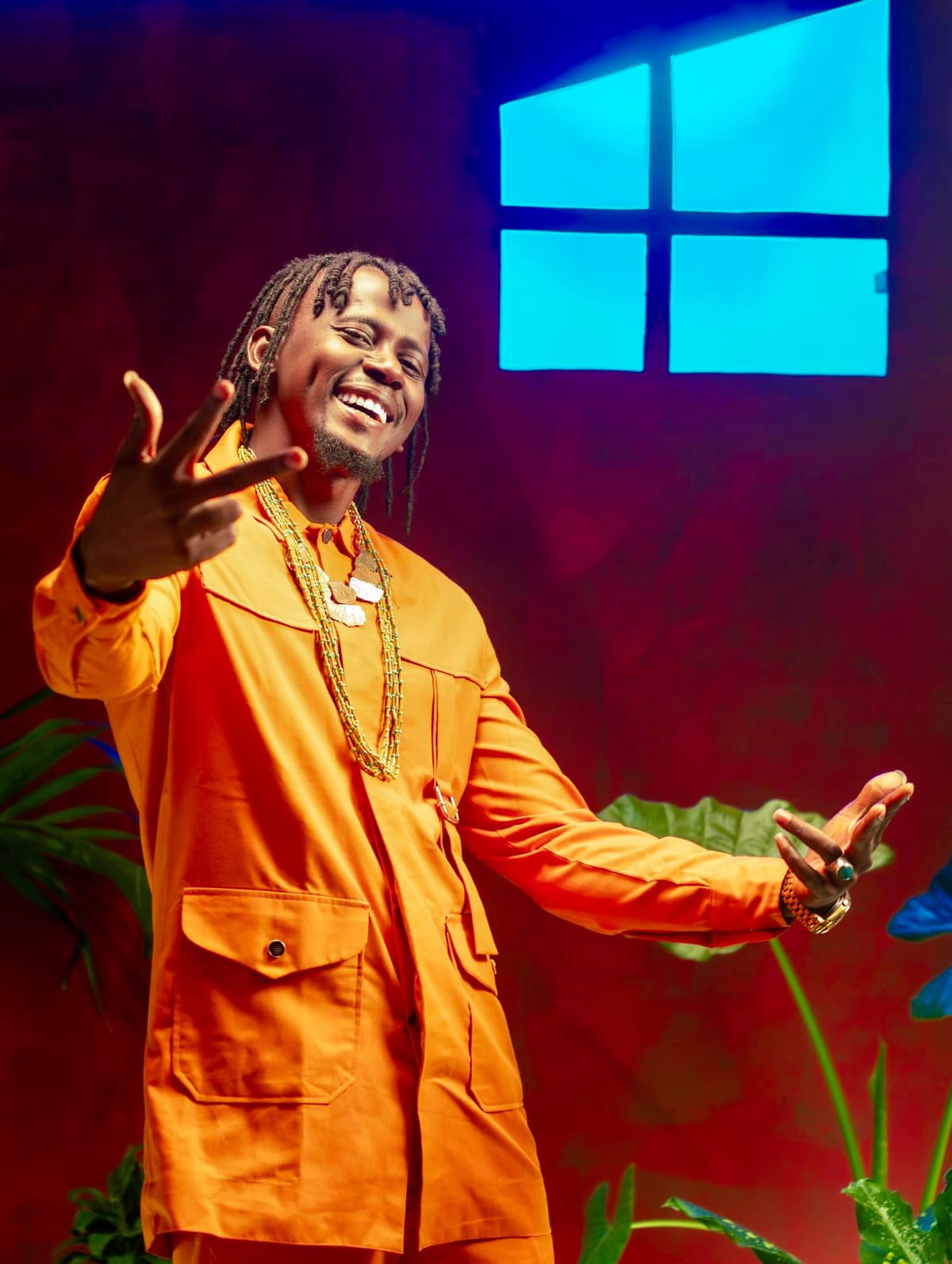
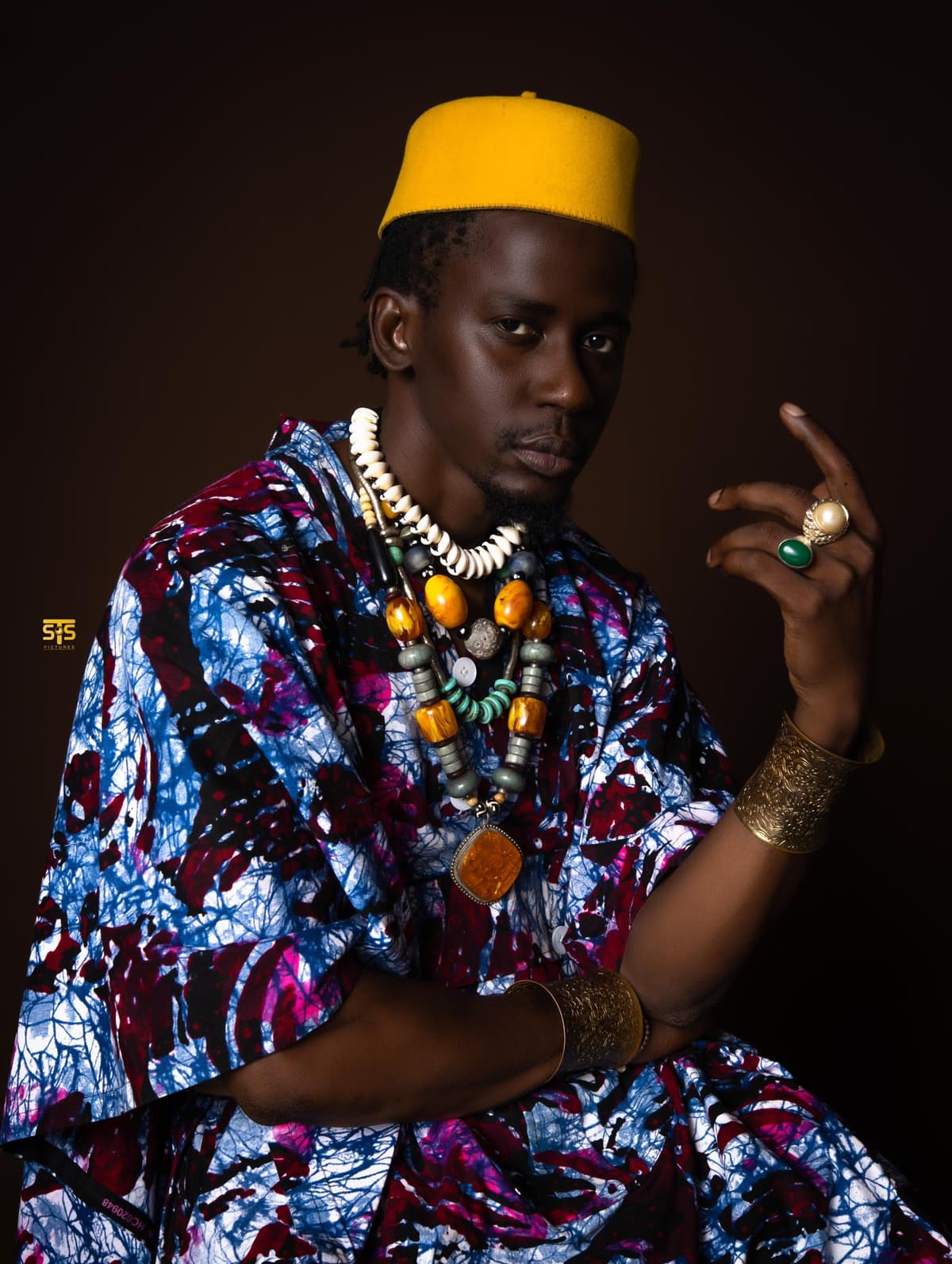
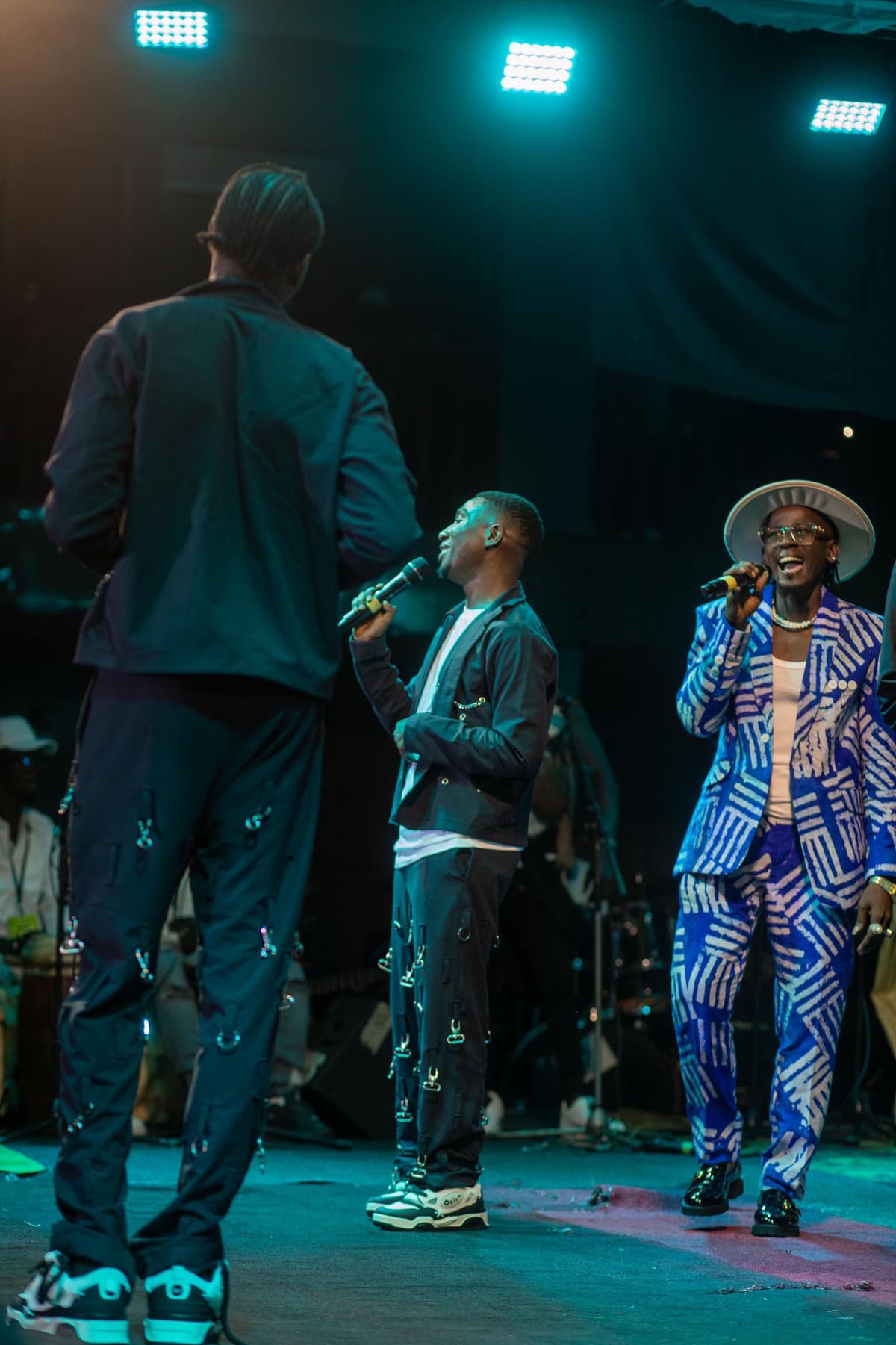
In Sanchaba Suly Jobe, a village in The Gambia where history is carried by voice long before it reaches the page, Ebrima Cham encountered music as meaning before he understood it as performance.
His mother, Fatou Thiam, was a market seller, but at home she was a storyteller whose songs carried memory, rhythm, and moral weight. Through her voice, Ebrima learned that music was not first about entertainment, but about transmission.
As a child, he echoed those melodies quietly when he was alone. Over time, people around him began to notice the sincerity and strength in his voice, often before he recognized it himself.
Music was not an obvious inheritance. His father, Babacar Thiam, was a tailor and an imam, and in a society where musical lineage traditionally belongs to griot families, singing without that ancestry could be seen as inappropriate. When Ebrima realized it was not a hobby but a calling, the awareness both clarified and unsettled him.
Rather than rebel, he waited.
Music as a Tool for Change
Named after Baye Niasse, the revered Islamic scholar and spiritual leader, Ebrima felt the responsibility of his name deeply. When the pull toward music became impossible to ignore, he chose proof over protest, recording a song in honor of Baye Niasse while still unsure of his voice.
The turning point came during a Gamou in Kaolack, Senegal, when his sister played the recording for their family. After listening, an uncle asked who the singer was. When his sister replied that it was Ebrima, the family responded with blessing, offering guidance that would shape his path: singing in a way your future self will respect, and in a way that leaves something behind.
That blessing became a responsibility. He later chose the name Barhama, drawn from the spiritual tradition surrounding Baye Niasse, meaning son of peace and son of life. The name became a compass, grounding his work and reminding him that when Barhama speaks, it is not only a voice being heard, but a promise being kept.
Barhama uses music to create awareness on crucial matters:
Gender-based ViolenceClimate ChangePeace and ReconciliationTransitional JusticeEmployment
By the time he formally began his career in 2016, Barhama had already decided that sound alone was not enough. His activism began at home, shaped by the example of his parents' relationship and his belief in dignity and respect, particularly for women. When he encountered gender-based violence, music became his response. A collaborative song on the issue revealed that music could carry cause without losing soul.
From there, his work expanded into themes of peace, climate change, reconciliation, and civic responsibility, always rooted in Gambian life. In 2019, he represented The Gambia at the UNFPA Summit in Dakar, advocating through performance for the rights of women, followed by collaborations with UNDP and other institutions.
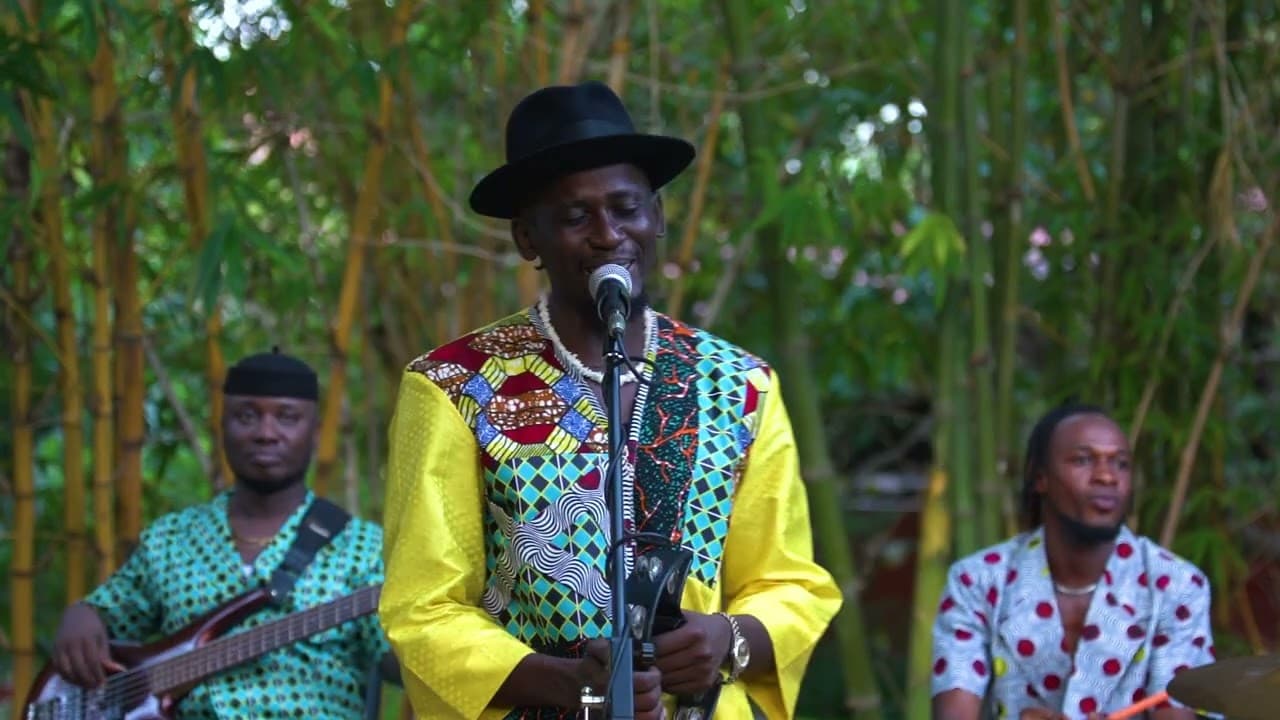
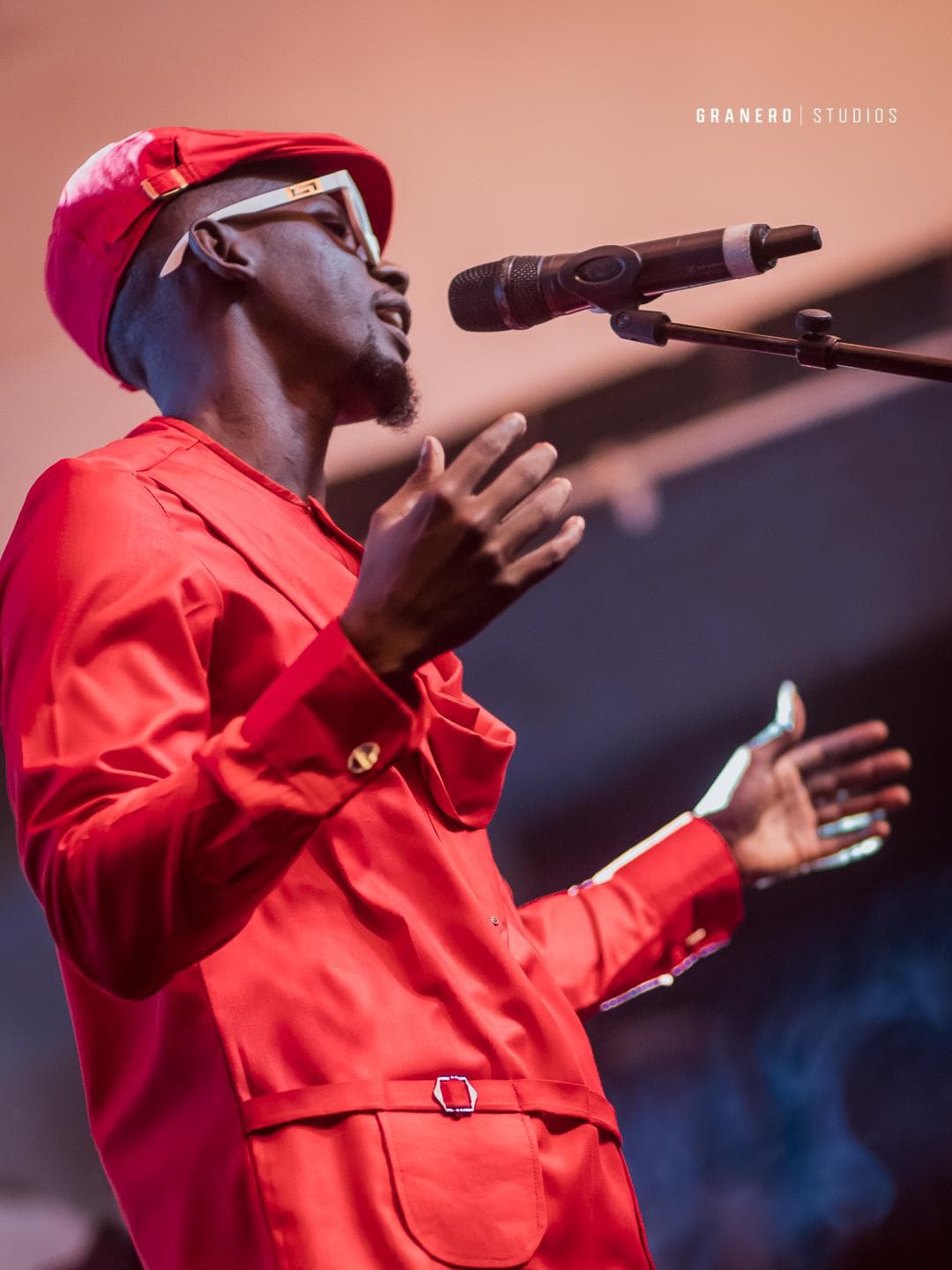
In 2021, during a tense election period, he staged a stadium concert centered on peace, bringing fifteen thousand voices together with the hope that the message would follow them home.
Gambian Sound, Carried Forward
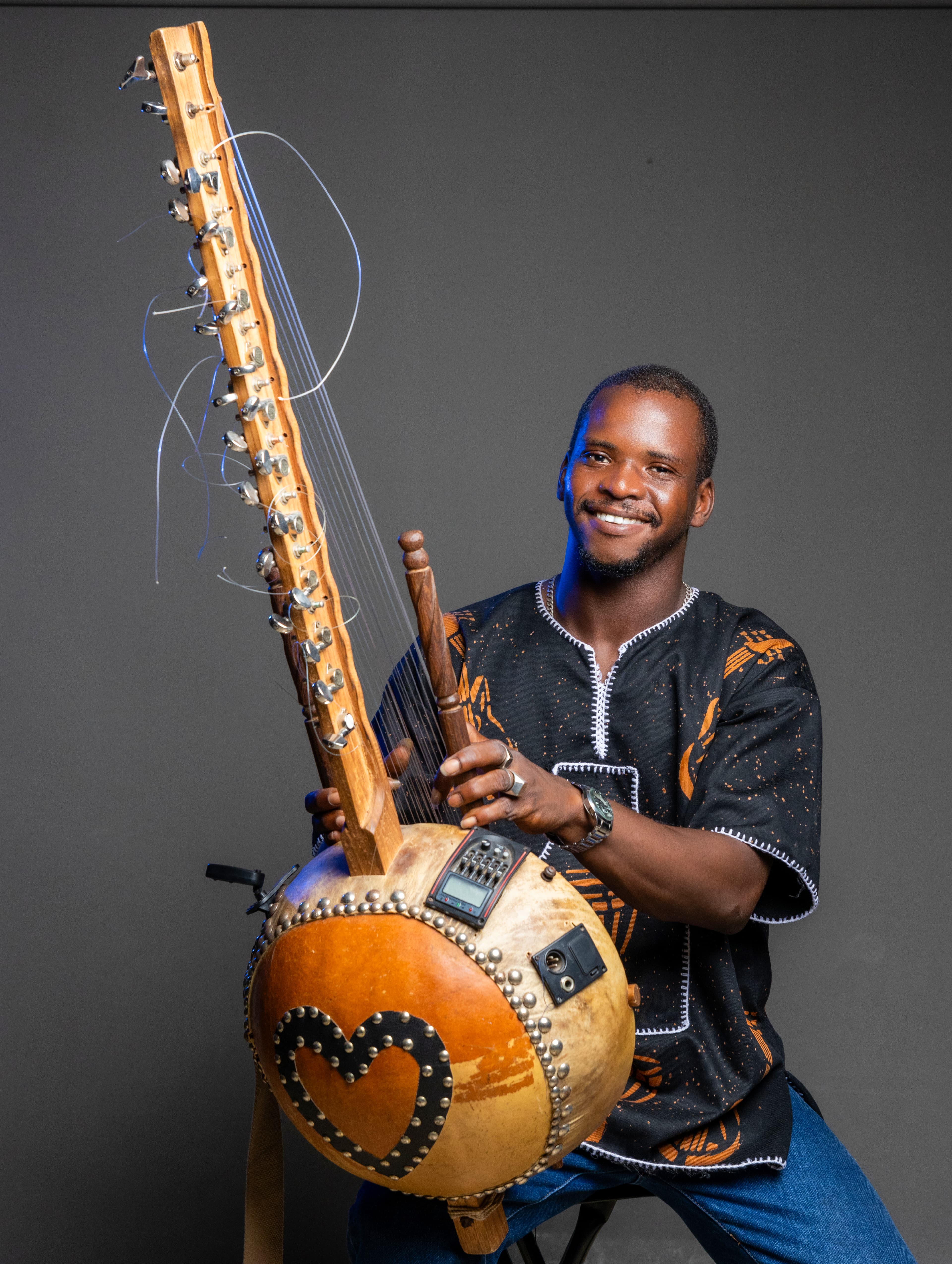
At the core of Barhama's work is a commitment to The Gambia itself. Despite being the birthplace of the kora and a historic exporter of sound across the region, Gambian music remains underrecognized.
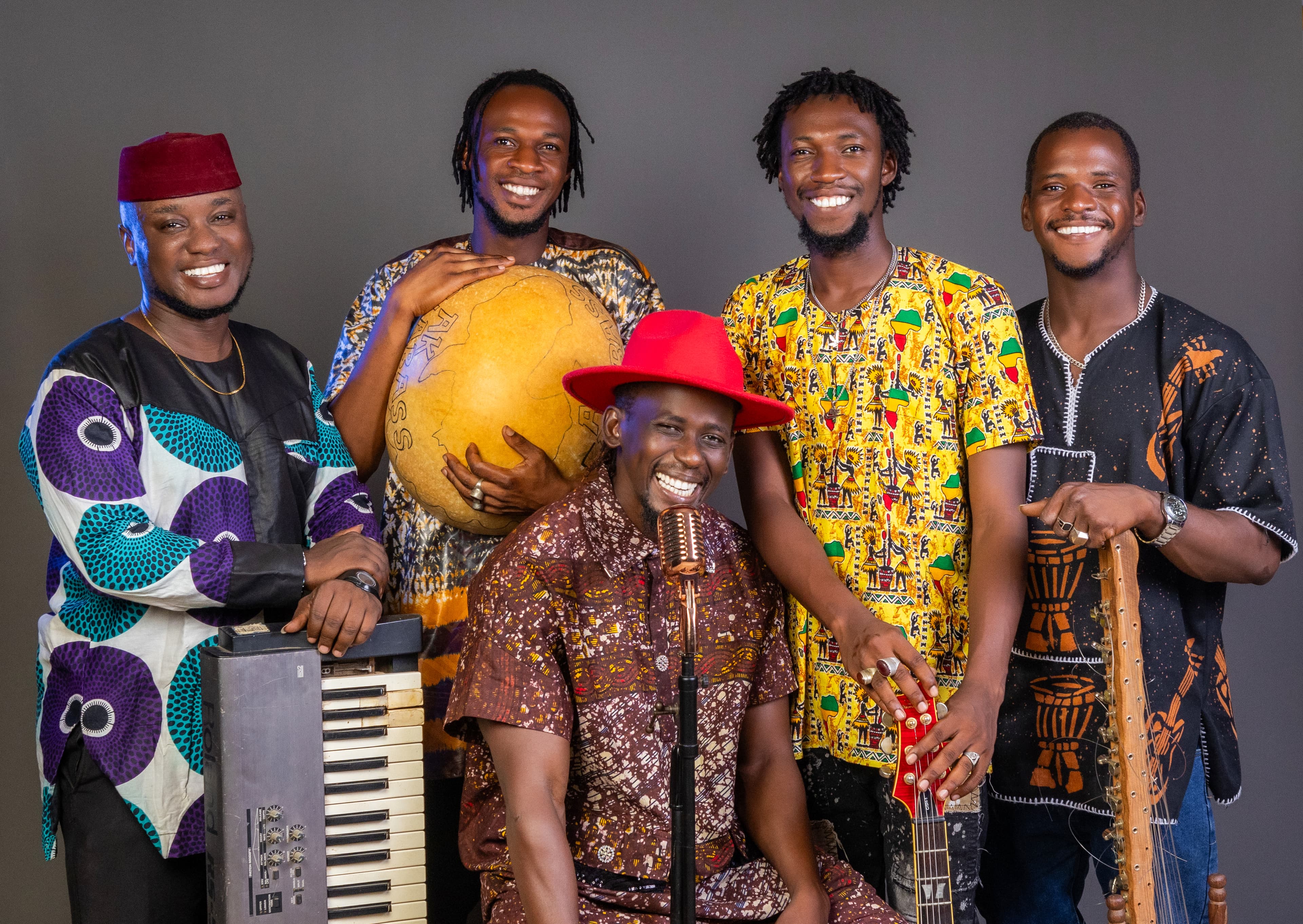
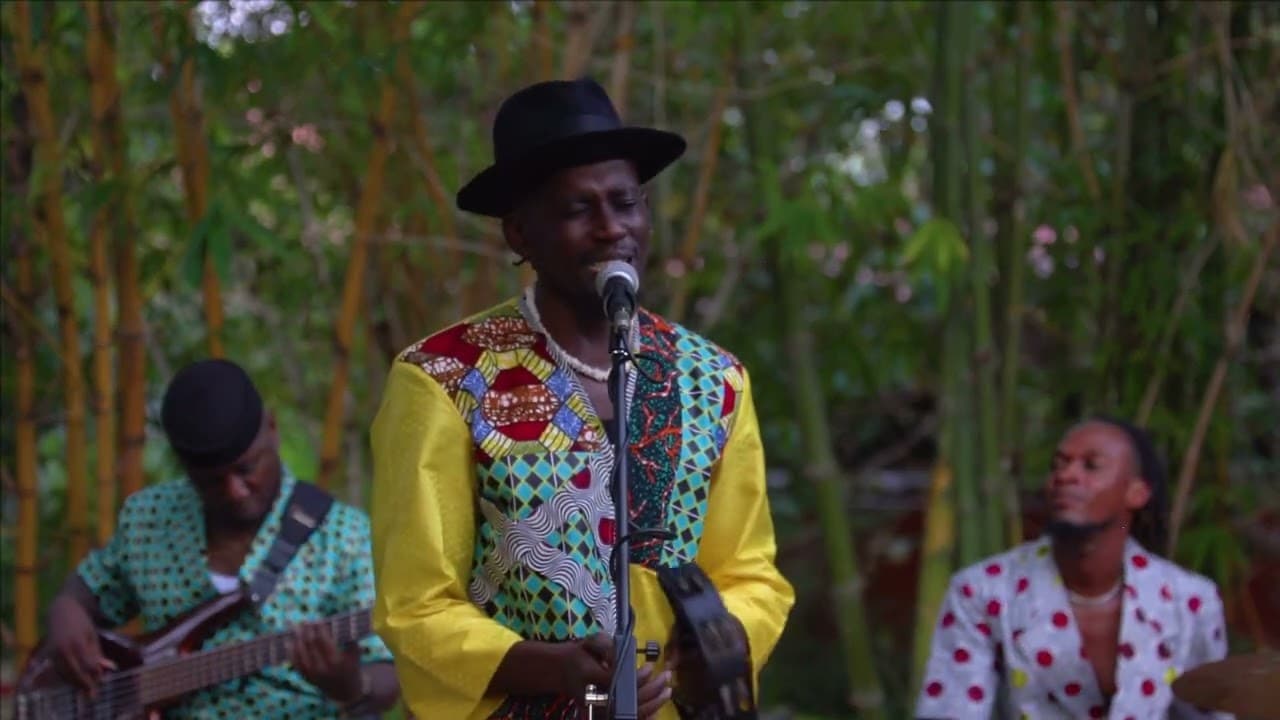
Influenced by artists like Bob Marley and The Wailers, who treated music as liberation rather than spectacle, Barhama now enters a new chapter. What began as a solo journey is becoming a collective one through the formation of a band, aimed at carrying Gambian sound beyond its borders.
For Barhama, music remains a living responsibility — one that carries Gambian sound forward while staying rooted in where it began.
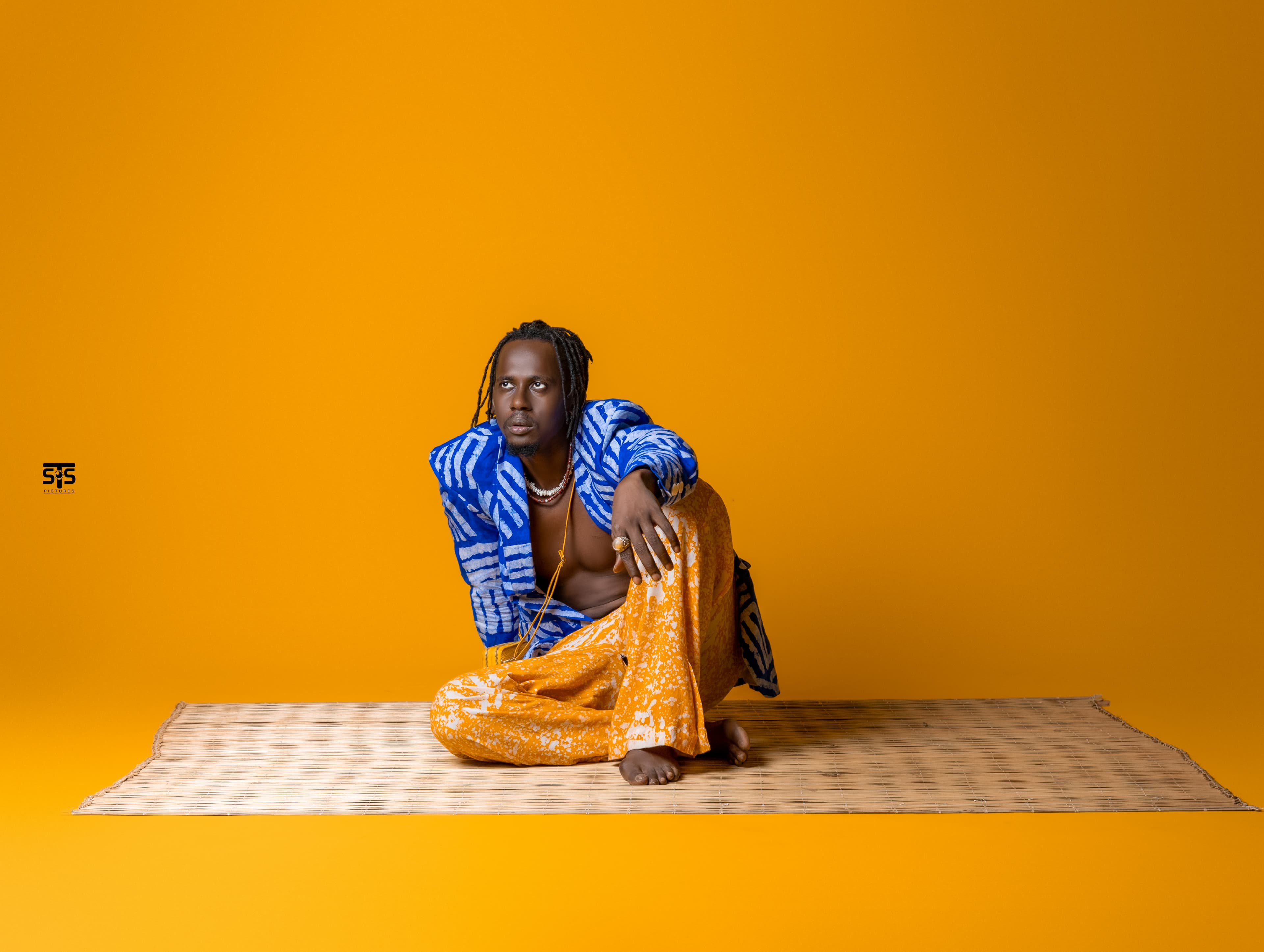
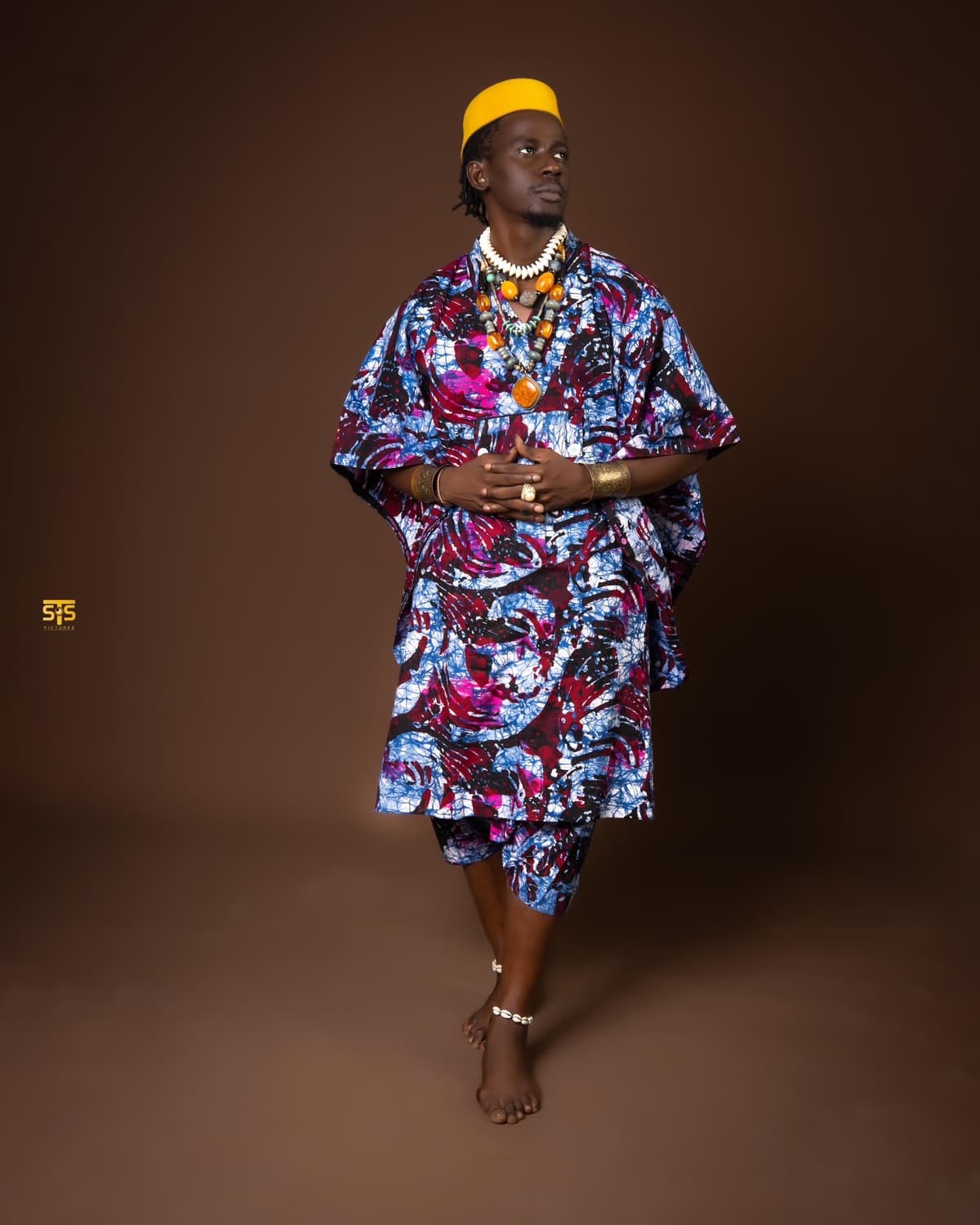
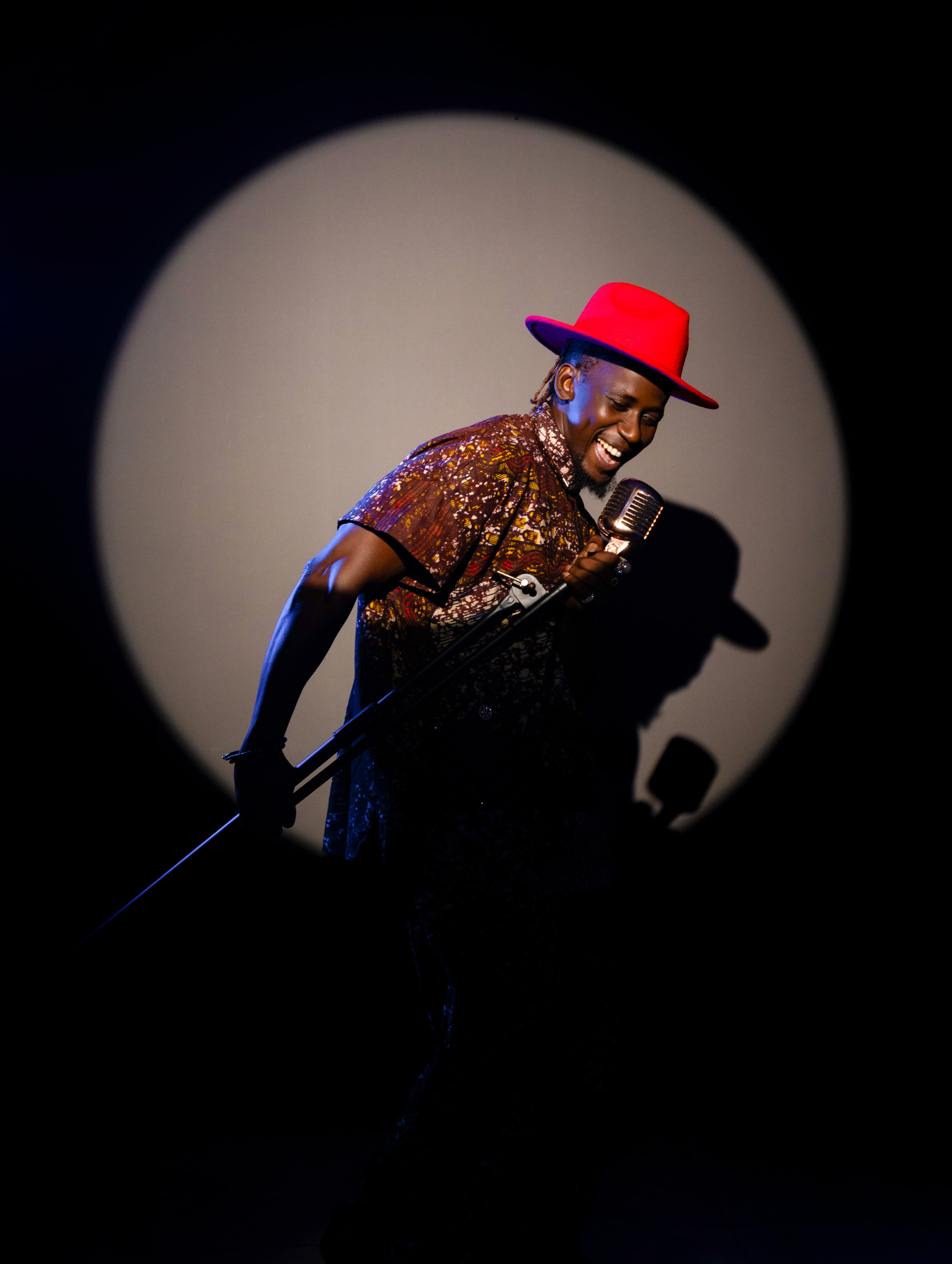
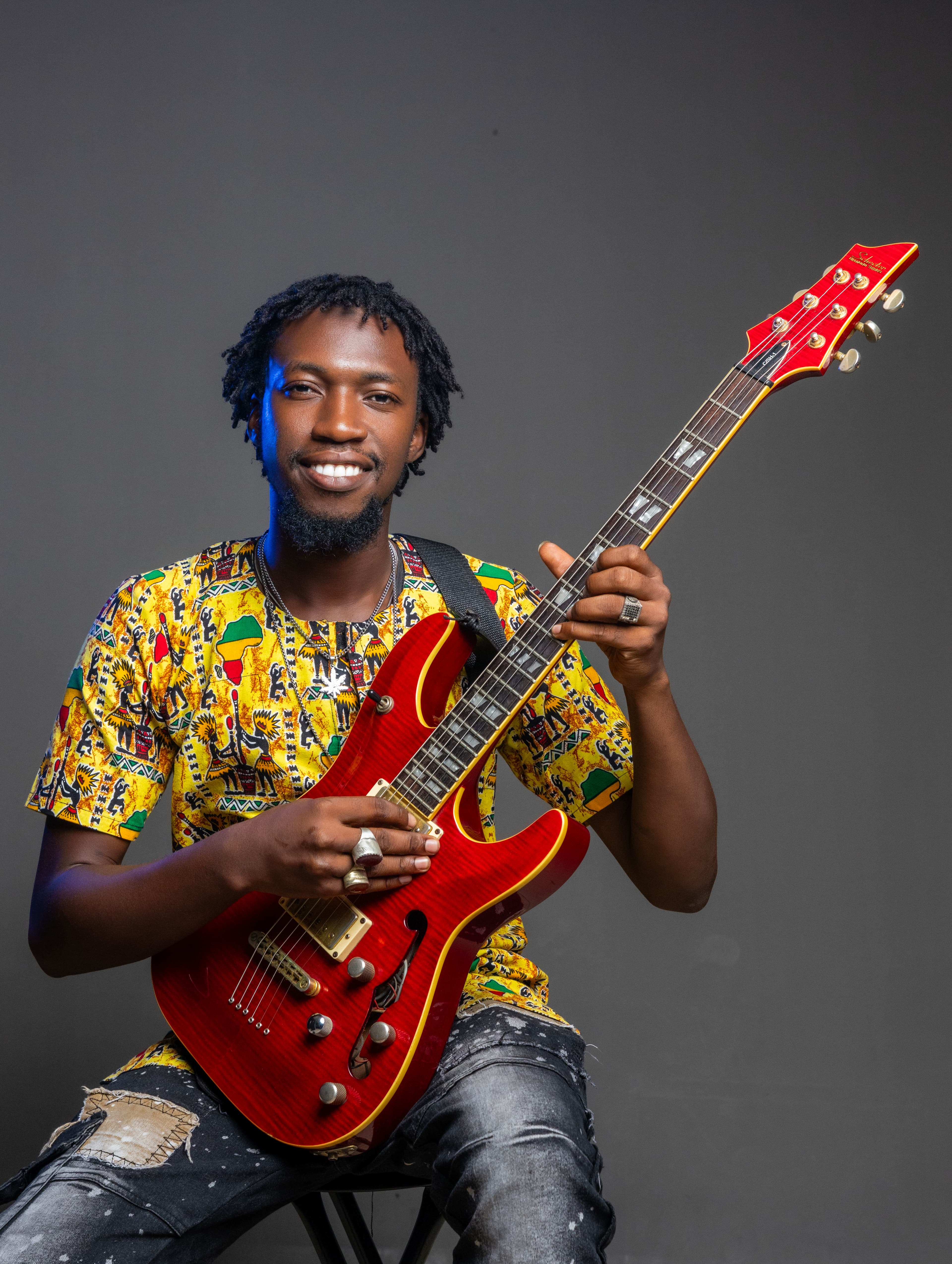
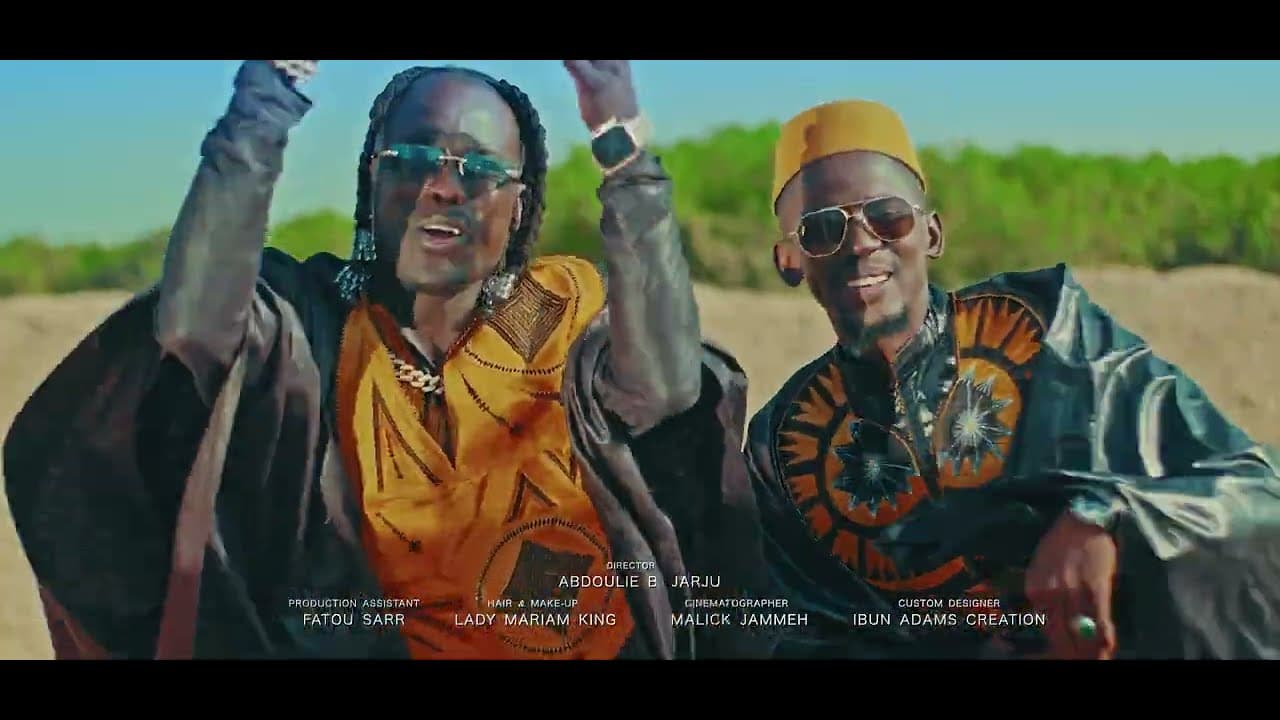
Today, audiences know that voice as Barhama Cham — an Afro-pop artist with a golden voice and a live presence shaped by years of discipline, story, and service.